Introduction to digestion and anatomy
Understanding the Digestive System
The human digestion process begins in the mouth, where saliva containing enzymes like amylase helps break down food. The food then travels through the esophagus to the stomach, where stomach acid and bacteria further break it down. The small intestine plays a crucial role in absorbing nutrients, while the large intestine is responsible for waste elimination and nutrient absorption.
The Gut Microbiome
The gut microbiome is a collection of trillions of microscopic organisms, including beneficial and pathogenic microbes. It plays a vital role in maintaining gut health and overall well-being. Some functional markers in the gut, such as calprotectin and zonulin, can indicate inflammation, leaky gut, and malabsorption issues.
What Does a Healthy Stool Look Like?
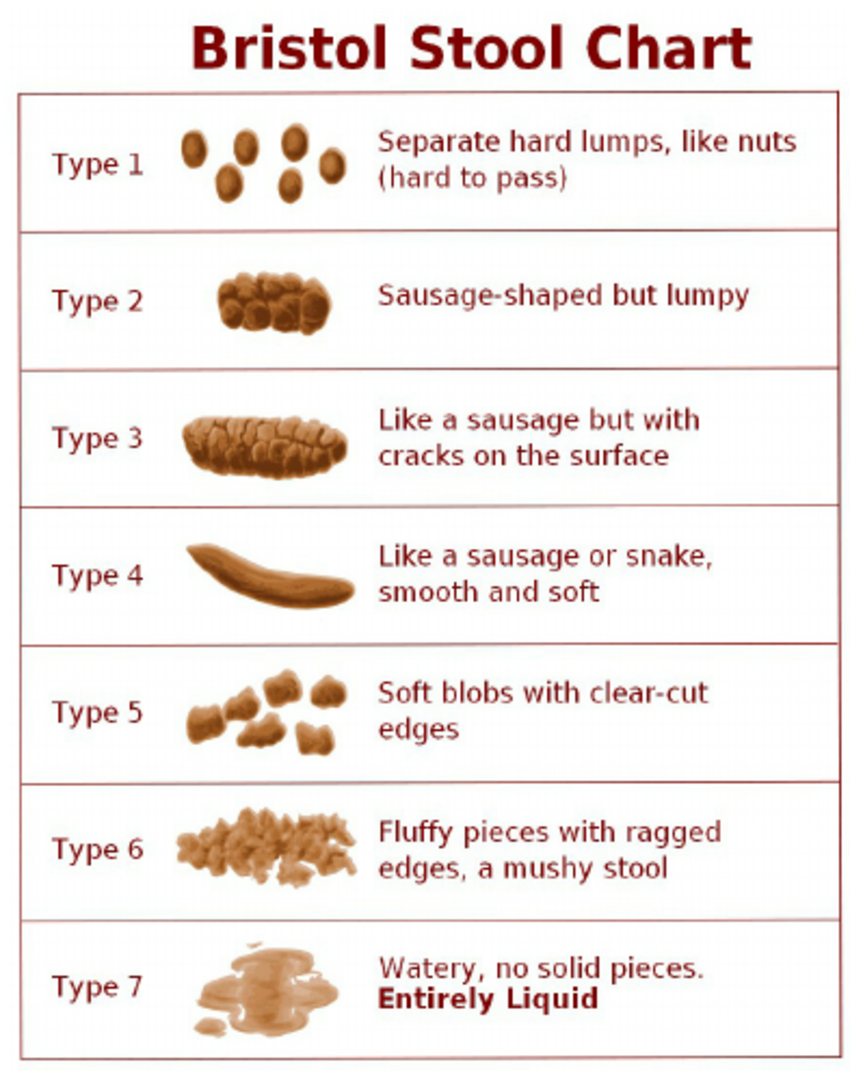
Understanding the Bristol Stool Chart can help determine the quality of your stool and identify potential gut health issues. A well-formed stool falls within the range of type 3 to type 5 on the chart, while types 1, 2, 6, and 7 may indicate constipation, diarrhea, or other digestive issues.
In the next lesson, we will delve into contributions to everyday gut issues and how to address them effectively at home.
Stay tuned for more valuable insights on improving your gut health!
As always, if you have any health concerns, it’s important to consult with a medical practitioner. Remember, this course is designed to provide general guidance and information, and any specific health concerns should be addressed by a healthcare professional.
Note: The above text is for informational purposes only and should not be considered medical advice. Always consult with a healthcare professional for personalised guidance.